
WHY SOME
HEADSHOTS WIN BIG
AND OTHERS DIE
Human Authored by Colt Melrose
- February 31, 2026
In the classic marketing book Made to Stick, Chip Heath and Dan Heath—professors at Stanford—asked a simple question: Why do some ideas thrive while others die?
After hundreds of case studies, countless hours of research, and poring over hundreds of sticky ideas, they found six principles that make an idea unforgettable:
Simple
Unexpected
Concrete
Credible
Emotions
Stories
A clever observer will note that this compacts into the acronym SUCCESs. A little corny, I know, but impossible to forget. They could have changed Simple to Core, but you’d have to admit CCUCES is less memorable.
Here’s the uncomfortable truth: These principles seem obvious. Didn’t you already have the intuition that we should “be simple” and “use stories”? If these ideas are so commonsensical, why aren’t we swimming in brilliantly designed sticky ideas everywhere we look?
Quick test: Can you name the last three billboards you passed driving down Interstate 45?
My purpose for writing this isn’t to discuss ideas in the abstract. It’s to show you how the principles that make ideas stick are the same principles that make professional headshots win. Because here’s what I’ve learned photographing thousands of faces: A headshot is an idea compressed into a single image. It either sticks in someone’s mind—or it dies the moment they scroll past.
The Truth Most People Never Hear
After years behind the camera and countless sessions with executives, business leaders, entrepreneurs, medical professionals, actors, attorneys, and financial advisors, I’ve come to understand something most photographers never grasp: The camera doesn’t matter. The lighting setup doesn’t matter. What matters is whether your image captures authenticity, connection, and trustworthiness in mere milliseconds.
A great headshot has become the new handshake. It creates trust and communicates personality before you’ve said a single word. That’s not photography advice. That’s business survival advice.
So how do you make your headshot stick? Apply the SUCCESs framework.

Simple: Strip It Down
The best headshots eliminate everything that doesn’t serve the message. I recommend solid-colored clothing with texture that complements your features. Simple poses. Clean lines. Head and shoulders facing the camera, no extreme angles, no forced positioning.
I see photographers make this mistake constantly—what I call “extreme posing.” Turning clients at unnatural angles. Shooting from dramatic heights. Creating images that look more like contortion than connection. The rule is simple: If the pose requires an explanation, it’s wrong.
Simple means your viewer processes the image instantly and moves straight to the only thing that matters—your face.
Unexpected: Break the Pattern
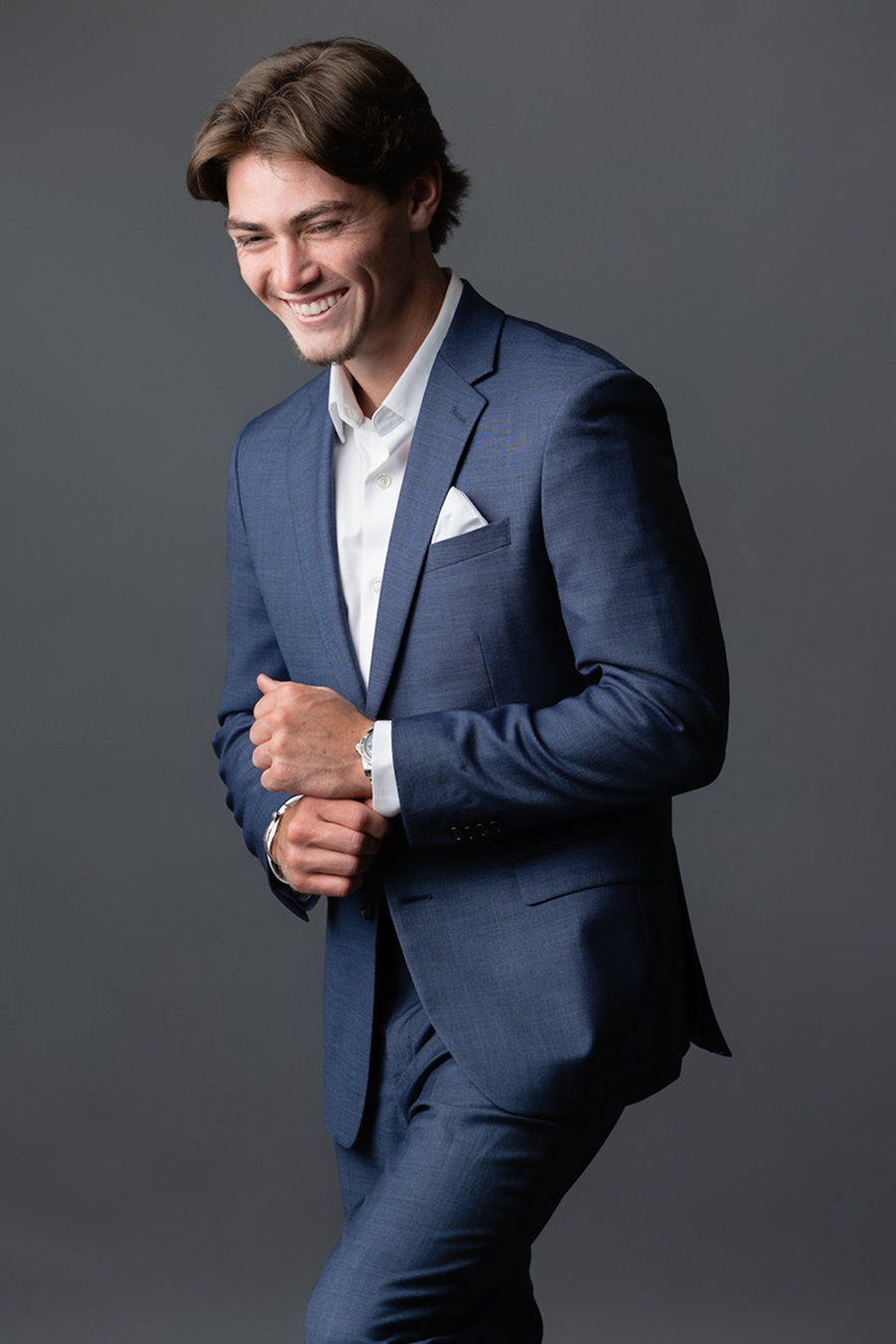
Most headshots look like — headshots. Corporate. Stiff. Forgettable. The unexpected headshot captures something viewers don’t see coming: genuine emotion, authentic energy, a spark of personality that interrupts the scroll.
Most people default to what I call the “deer-in-headlights” look the moment a camera points at them. Eyes wide. Expression frozen. Every ounce of personality evacuated. My job is to break that pattern—to pull out the confident, natural expression that makes people stop and pay attention.
The counterintuitive truth: Looking natural on camera requires coaching. The expression that feels “normal” to you often reads as stiff or anxious in a photograph. Breaking the pattern of “normal” is how you get noticed.
Concrete: Be Specific
About
What You're Selling
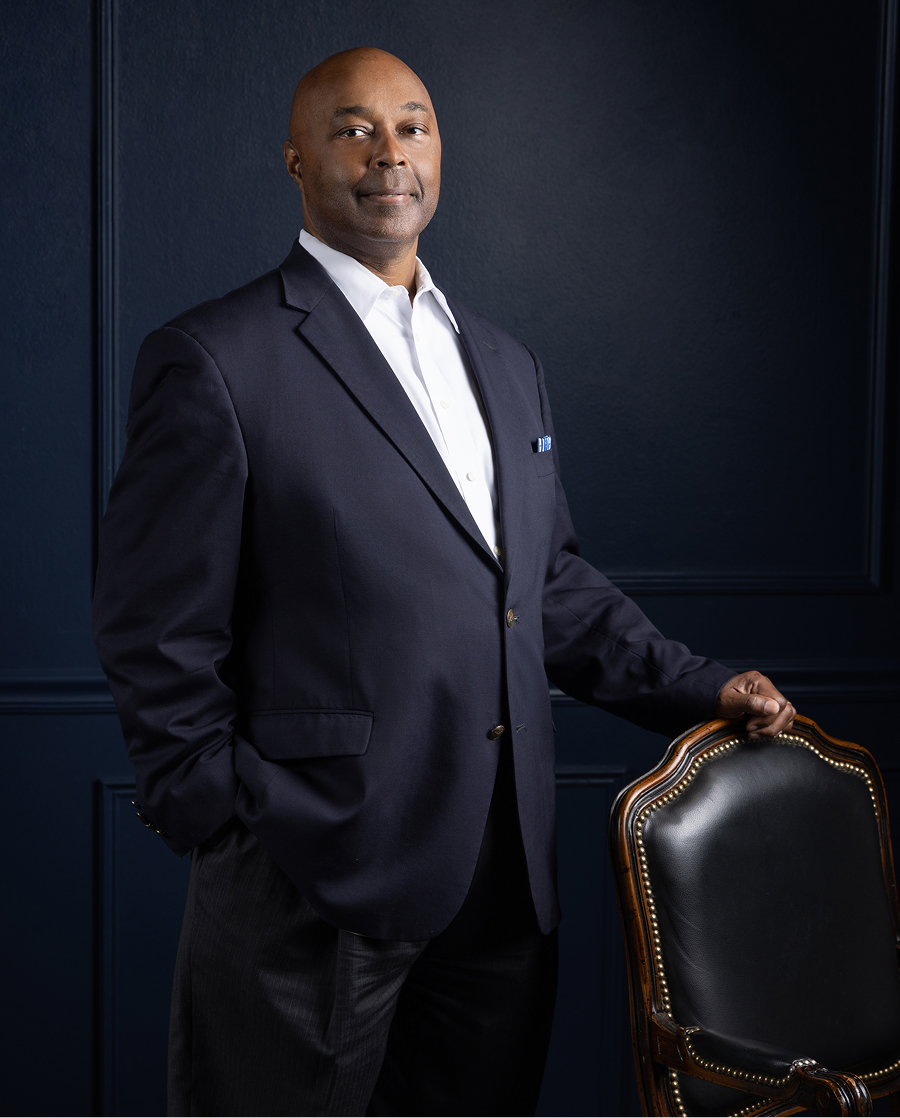
A headshot for a corporate attorney should look nothing like a headshot for a creative director. The image must be tailored to your specific purpose, your industry, and your audience.
Vague headshots die. Specific ones win.
Houston business attorney Greg Phillips understood this. When he invested in professional headshots, he wasn’t looking for a nice photo. He was looking to position himself as the expert—not just “another attorney” in a crowded market. The result? His professional headshots have generated over $1,000,000 in new business revenue! Not because the photos were pretty, but because they communicated something concrete: authority, expertise, and the confidence of someone who wins.
This is where strategy matters. Before I ever pick up a camera, I need to understand how this image will be used, who will see it, and what impression it needs to create. A headshot without strategic intent is just a photograph of a face.
Credible: Professional Signals Matter
People can tell when you’ve cut corners. When viewers see a polished headshot, they unconsciously credit you with the qualities it projects—competence, attention to detail, and investment in yourself.
There are specific “trustability factors” that make viewers believe in the person they’re seeing. The quality of light. The refinement of the composition. The confidence in the expression. These signals register instantly, before conscious thought kicks in.
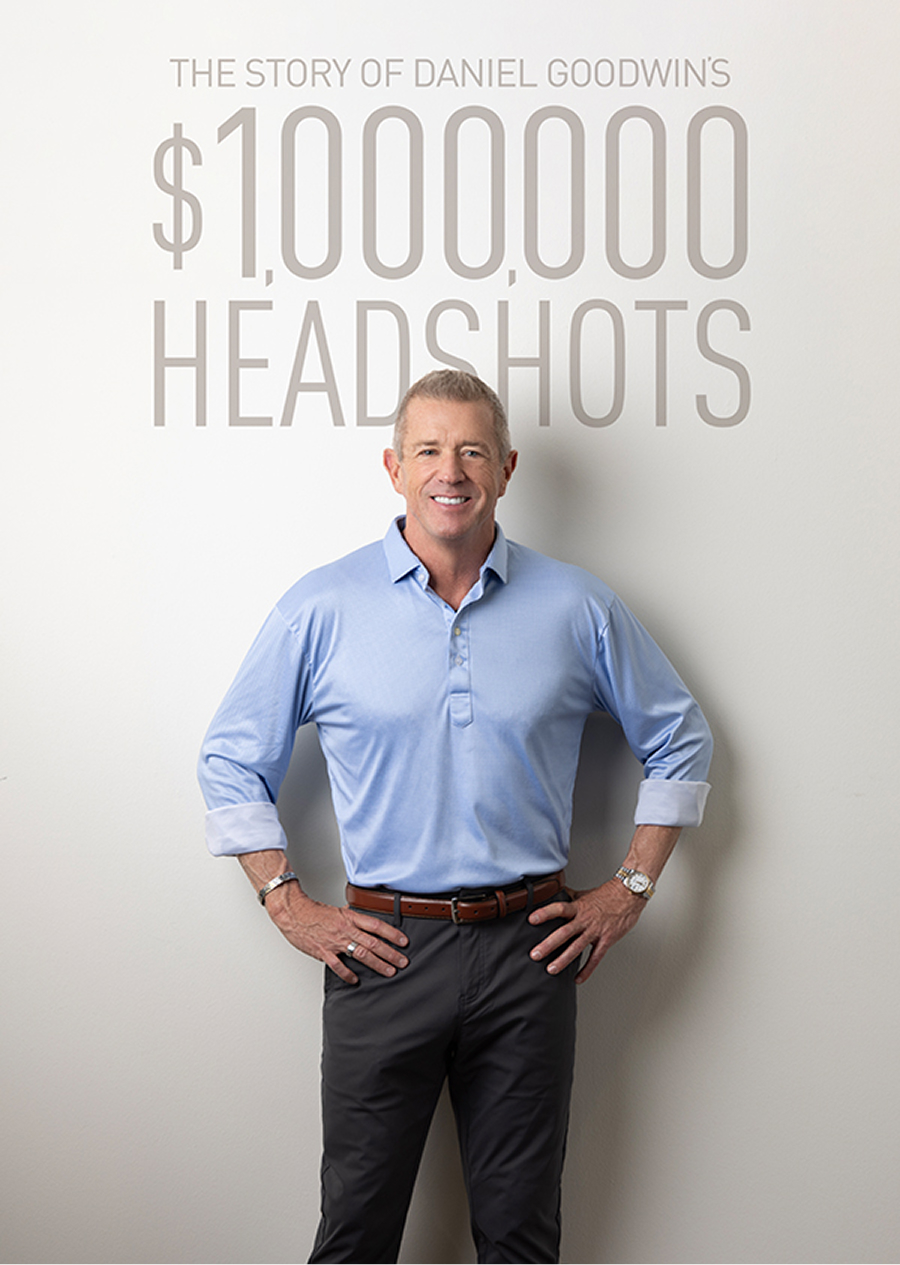
Wealth advisor and author of the new book, How To Build Tax-Free Wealth Using A Delaware Statutory Trust, Daniel Goodwin of Provident 1031, discovered this firsthand. In his industry, trust isn’t optional—it’s the entire business. His professional headshots didn’t just make him look good; they communicated the credibility his high-net-worth clients needed to see before they’d have a conversation. The business impact? Over $1,000,000 in new revenue that Dan attributes directly to how his visual brand has positioned him in the market over multiple channels.
A credible image earns trust before you’ve said a word. A cheap image costs you opportunities you’ll never know you lost.

Emotions: The Eyes Do the Heavy Lifting
My entire approach centers on this truth: Great headshots are about making you feel comfortable and confident—because the camera captures what’s really happening inside. I can light you perfectly, pose you flawlessly, and still end up with a dead image if you’re not present in the moment.
Trust is conveyed through the eyes. If your headshot doesn’t connect emotionally, if there’s no spark, if the expression looks performed rather than felt, the image dies on arrival.
This is why I spend as much time on conversation and connection as I do on technical execution. The camera sees through performance. It rewards authenticity.
Stories: Your Face Tells One
Whether You Like It or Not
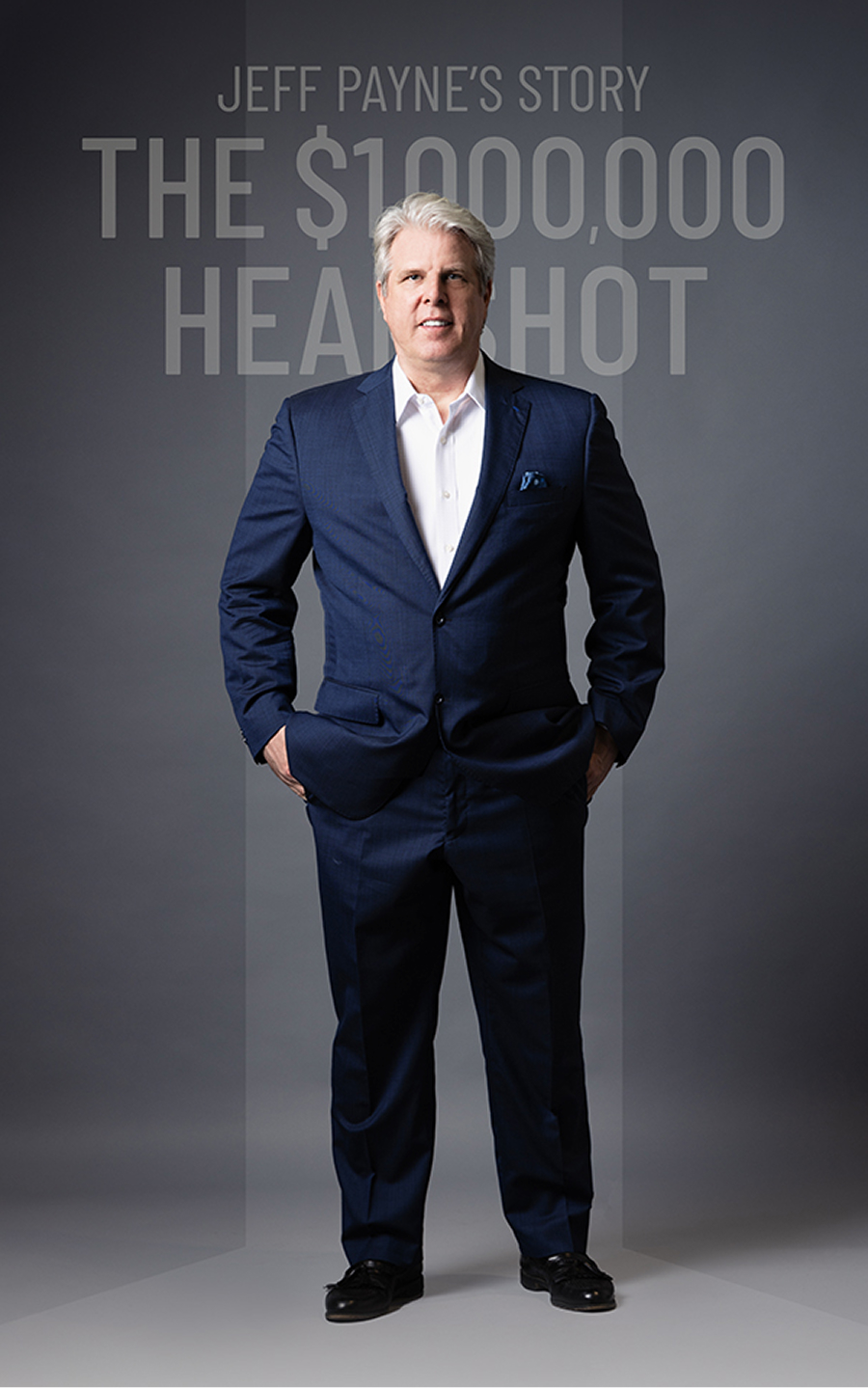
When business growth expert Jeff Payne came to me, he wasn’t looking for a photographer. In fact, he asked for the best photographer in the world! Jeff was looking for a strategic partner who understood that a headshot isn’t a photoshoot—it’s a positioning statement. Jeff needed to communicate that he was the authority in his space, the person companies call when they’re serious about business growth.
His visual brand became so effective that he established himself as the informal market standard in his field. The result? Over $1,000,000 in additional business revenue he traces directly to his professional image, positioning him against competitors still using outdated photos and generic headshots.
You’re not documenting a face. You’re crafting a narrative. The story your headshot tells will shape how clients, employers, and business partners perceive you before any conversation begins.
The Bottom Line
Your headshot is either working for you or working against you. There is no neutral.
Greg Phillips. Daniel Goodwin. Craig Kaiser. Jeff Payne. Three different industries. Three different markets. One thing in common: They understood that a professional headshot isn’t an expense—it’s an investment with measurable returns.
The difference between a headshot that wins and one that dies isn’t equipment or location—it’s whether the image sticks in someone’s mind and makes them want to know more.