
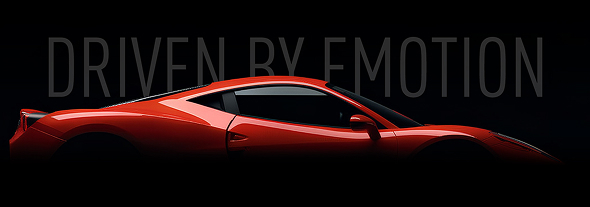
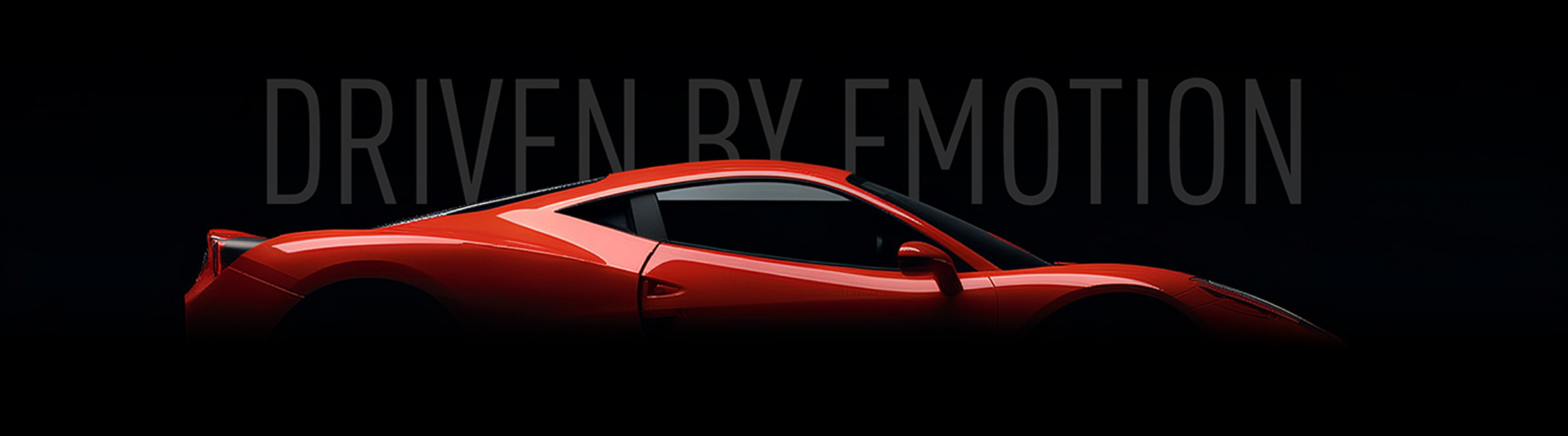
When asked what legacy he wanted to leave behind, the legendary founder of Ferrari said, “I am nobody. I only dreamed to be FERRARI.”
Think about that.
The man who built one of the most iconic brands in history didn’t see himself as a car manufacturer. He saw himself as a brand. Ferrari doesn’t talk about horsepower, torque, or aerodynamics.
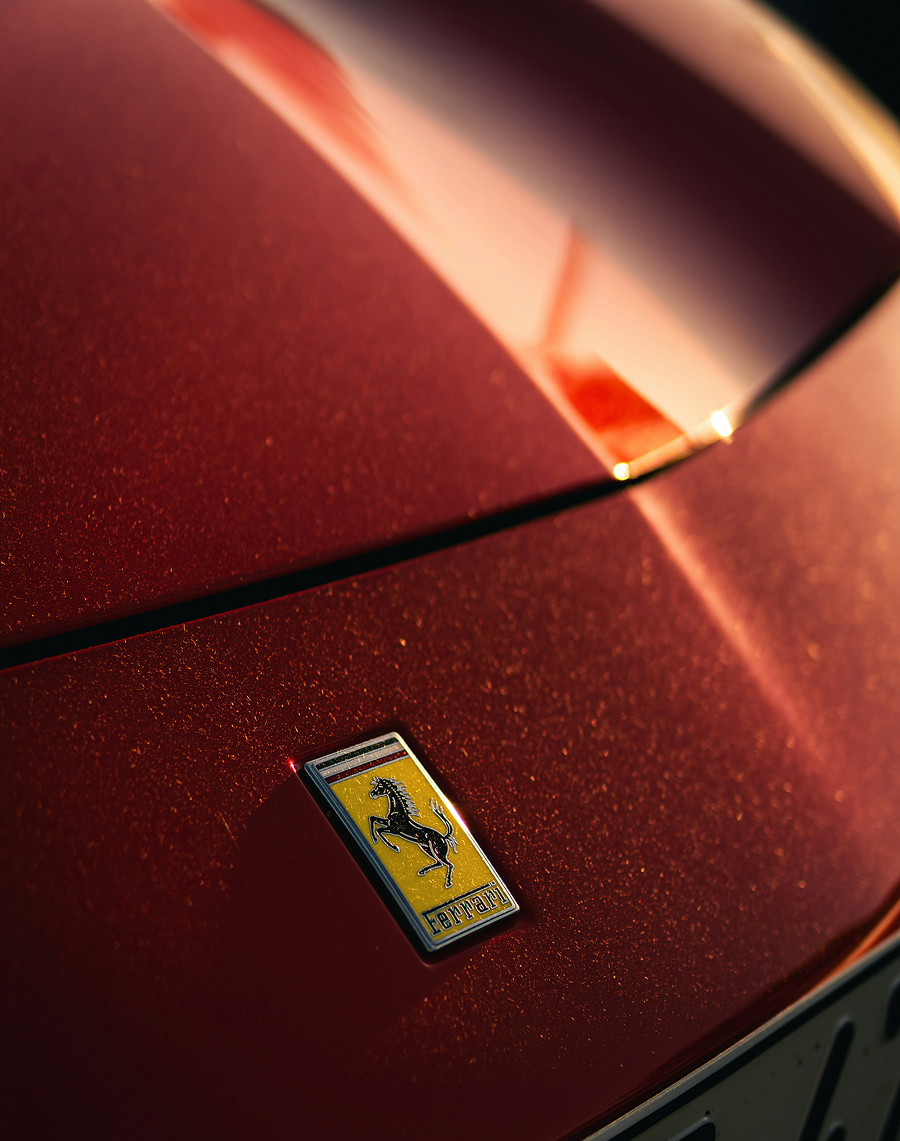
FERRARI SELLS...
DESIRE
LEGACY
EMOTION
The dream of what it feels like to be behind the wheel of something extraordinary.
And that’s why Ferrari doesn’t compete with other automakers.
They compete in a category of one.
THE PROBLEM WITH MOST PROFESSIONAL HEADSHOTS
Most professional headshots are transactional.
You book a session. The photographer focuses on lighting, angles, and backgrounds. You stand where they tell you, smile on cue, and walk away with a technically proficient image.
Then you upload it to LinkedIn, paste it on your website, and move on with your life.
But here’s what most people miss: that headshot isn’t just a photo. It’s working for you—or against you—every single day, across every platform where it appears.
And most headshots are working against you.
Why?
Because they're forgettable.
They look like everyone else’s headshot. They communicate credentials without creating a connection. They say “I’m a professional” without making anyone feel anything about what kind of professional you are.
Brands that focus only on features and benefits—”I’m qualified, I’m experienced, I’m available”—are forced to compete on price. There’s nothing that distinguishes them from the 50 other qualified, experienced, available professionals a potential client encounters.
Ferrari understood this trap. They never competed on specifications. They competed on desire.
Your headshot should do the same.
THE FERRARI PRINCIPLE OF PERSONAL BRANDING
Enzo Ferrari built something remarkable by understanding six fundamental truths about branding:
- He was the product. Ferrari didn’t separate himself from his brand. He became inseparable from it. His personality, his standards, his obsession with excellence—they all became part of what people were buying.
- Successful branding is about what people feel. Every aspect of the Ferrari experience is designed to create emotion. The roar of the engine. The iconic red. The exclusivity. It’s not about the machine. It’s about the feeling the machine creates.
- He became a category of one rather than one of many. Ferrari never positioned itself against other car manufacturers. They positioned themselves as the only choice for people who wanted to feel a certain way. There is no alternative to Ferrari—because Ferrari isn’t selling cars.
- He sold the brand first to create lasting loyalty. Before customers cared about the specifications, they cared about the prancing horse. The brand created desire. The product fulfilled it.
- He connected with what customers were thinking and feeling. Ferrari understood that their customers weren’t buying transportation. They were buying identity. Status. A statement about who they are and whom they want to become.
- He moved from the outer circle of mindset to the inner circle of motive. This is the crucial shift. Most brands stay on the surface, addressing what customers say they want. Ferrari goes deeper, addressing why they want it—the real reason buyers purchase.

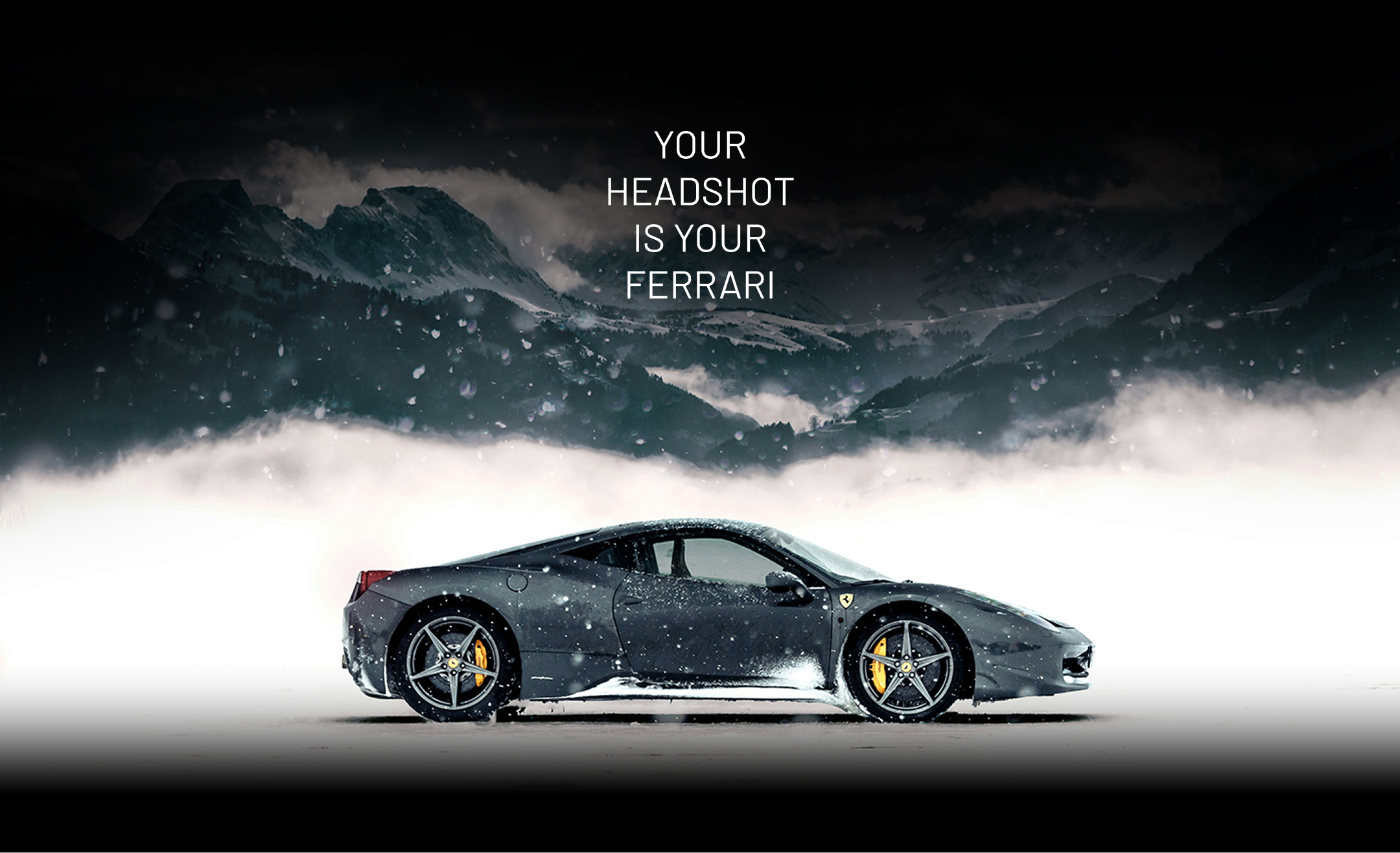
Now apply this to your professional headshots.
Your headshots don’t sell you. They sell your brand.
And your brand isn’t your job title, your credentials, or even your smile. Your brand is how you make people feel. It’s the impression that remains after someone sees your headshot. It’s the subconscious signal that tells a potential customer, employer, or connection whether you’re trustworthy, confident, approachable, or exceptional.
Most headshots fail because they focus outward—on technical quality, on looking “professional,” on fitting in.
Remarkable headshots succeed because they focus inward—on capturing the essence of who you are, on creating an emotional response, on standing out.
What Changes When You See
Your Headshot as a Brand Asset
When you start treating your professional headshot as essential to a memorable brand—not just a checkbox on your marketing to-do list—everything shifts.
You protect your brand across every marketing channel. Your headshots appear on LinkedIn, your website, your email signature, your speaker bio, and your press features. Each appearance of your headshots either reinforces or dilutes your brand. Strategic headshots strengthen your brand wherever it appears. A single generic headshot weakens it.
You recognize that every touchpoint creates an impression—positive or negative. There is no neutral. Every time someone encounters your headshots, they form a judgment. They either remember you or forget you. They either feel drawn to you or scroll past. Your headshots are working around the clock, making impressions while you sleep.
The question is:
what impression is
your headshot making?
You understand that people do business with people they like. Before anyone reads your credentials, they decide whether they like you. That decision happens in milliseconds, often subconsciously, based largely on your image. A headshot that communicates warmth, confidence, and authenticity makes you likable before you’ve said a word.
You build a hub where every channel points back to value. Your website becomes the center of your brand ecosystem, and your headshot becomes the visual anchor that creates recognition across every platform. When someone sees you on LinkedIn, then on a podcast, a guest post, and then on your website, that consistent visual identity builds trust and familiarity. This is why you should never present just one headshot. Avoid being boring. Create warmth, creativity, and an element of surprise.
You exchange value for attention, then nurture that relationship. Your brand earns the right to stay in contact. Your headshot is often the first handshake—the visual introduction that earns someone’s attention long enough for you to deliver value. When they’re ready to buy, they remember the face they’ve come to trust.
You treat your work as theatre and your brand as the stage. This is the mindset shift that separates forgettable professionals from memorable ones. You’re not just doing a job—you’re putting on a performance that makes people want to work with you. Your headshots set the stage. It tells the audience what kind of show to expect.
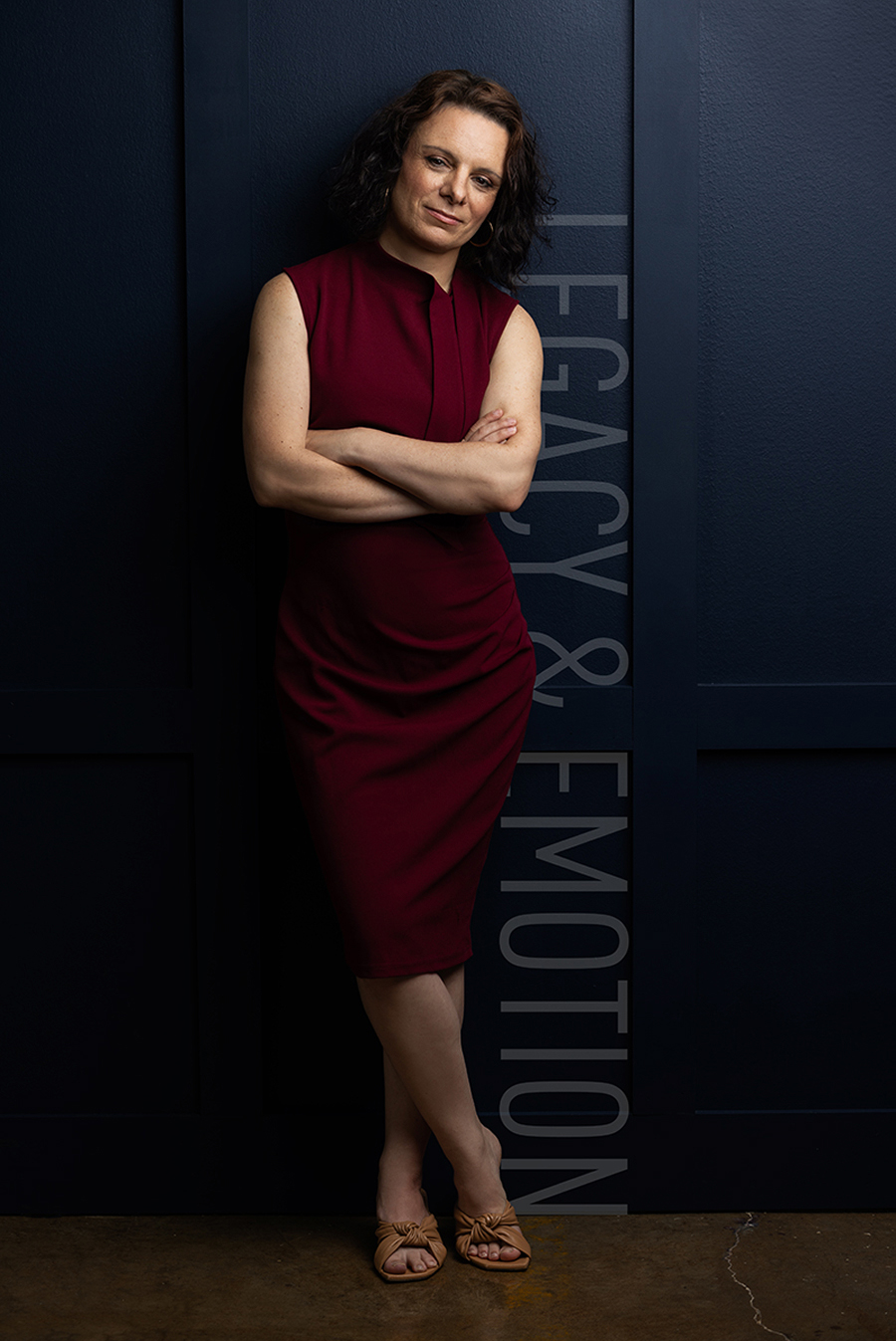
THE QUESTIONS THAT MATTER
Before your next professional headshot session, stop asking “How do I look professional?” and start asking:
THIS ISN’T PHOTOGRAPHY
-- IT’S STRATEGY
Enzo Ferrari didn’t dream of building cars. He dreamed of building FERRARI.
When you invest in professional headshots, you shouldn’t be paying for photographs. You should be investing in your personal brand—the emotional connection that makes people remember you, trust you, and choose you.
Because true branding isn’t about what you show; it’s about what people feel long after they’ve been exposed to your brand.
Ferrari understood this from the start. That’s why, almost eighty years later, the prancing horse still makes people stop and stare.
Enzo Ferrari didn’t dream of building cars. He dreamed of building FERRARI.
When you invest in professional headshots, you shouldn’t be paying for photographs. You should be investing in your personal brand—the emotional connection that makes people remember you, trust you, and choose you.
Because true branding isn’t about what you show; it’s about what people feel long after they’ve been exposed to your brand.
Ferrari understood this from the start. That’s why, almost eighty years later, the prancing horse still makes people stop and stare.
Your professional headshots should serve the same purpose.